Most Haunted Places in San Antonio
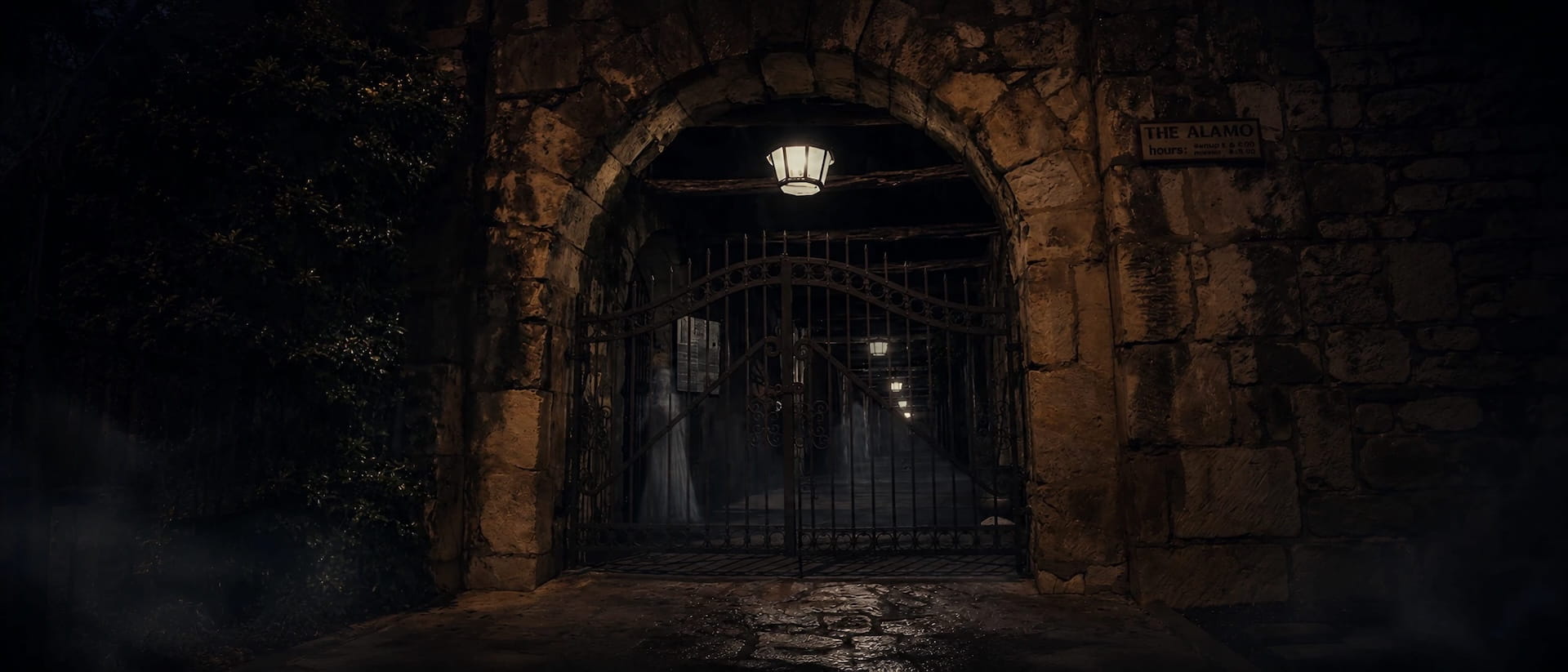
The Alamo
Long before it became the most recognizable building in Texas, the Alamo was Mission San Antonio de Valero, founded in 1718 as one of the first Spanish missions in the region. It's remembered today for a single, brutal chapter: the thirteen-day siege that ended on March 6, 1836, when a force of roughly 1,800 Mexican soldiers under General Antonio López de Santa Anna overwhelmed the fewer than 200 defenders inside the mission's walls. Nearly all of them were killed.
The hauntings, by most accounts, started almost immediately. Within days of the battle, soldiers ordered to burn the bodies of the fallen reportedly encountered a line of ghostly figures — some accounts describe them as robed and carrying flaming swords — blocking their way into the chapel. Since then, the Alamo has become one of the most consistently reported haunted sites in the country. Visitors and staff describe uniformed apparitions patrolling the outer walls at night, as if still standing guard, along with phantom musket fire, bugle calls, and marching footsteps that intensify around the anniversary of the battle each March. One recurring story involves a blond-haired boy glimpsed near an upper window, thought by some to be a child evacuated during the siege, still watching for a family member who never came home.
Featured on Ghost City Tour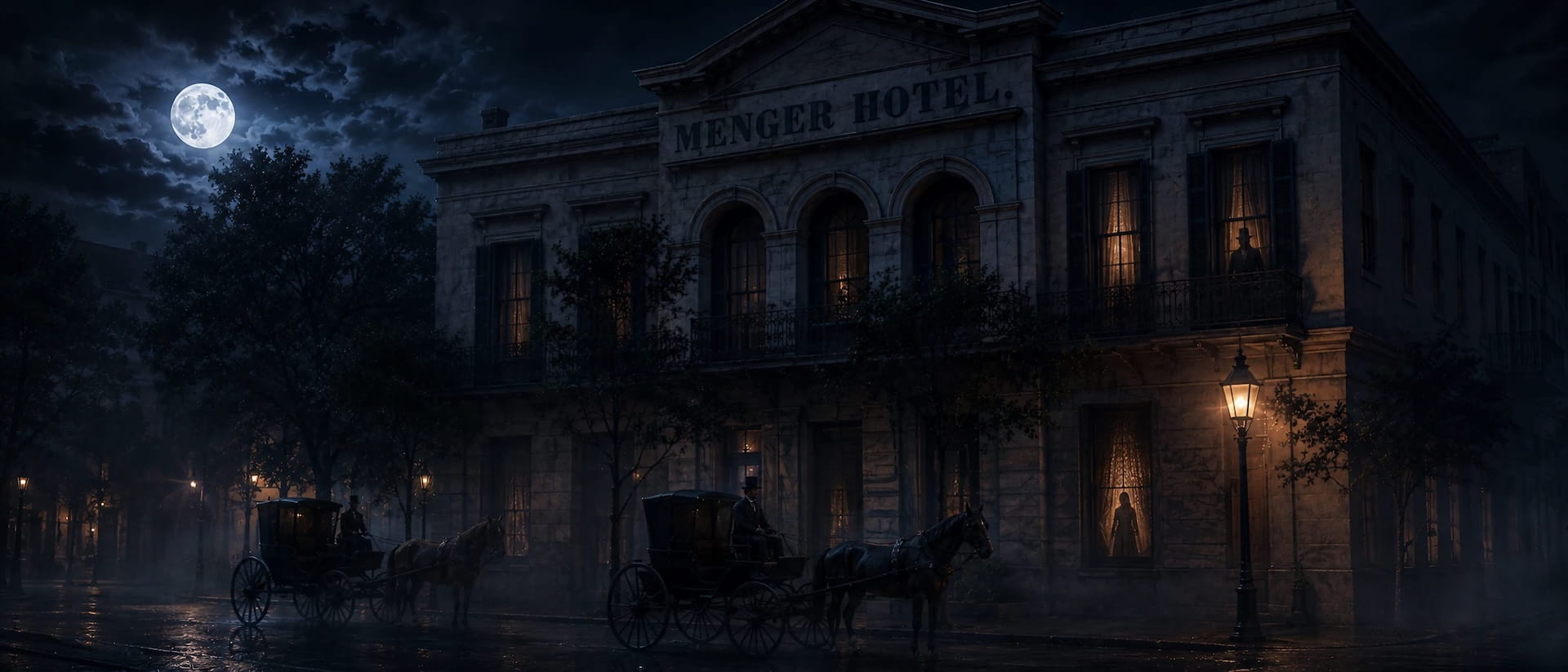
Menger Hotel
Built in 1859 on the site of William Menger's original brewery — the first in Texas — the Menger Hotel has spent more than a century and a half collecting both distinguished guests and ghost stories. Twenty-three years after the fall of the Alamo, it rose directly across the plaza from the old mission, and today it's frequently called the most haunted hotel in the state, with staff and guests reporting encounters attributed to as many as 32 different spirits.
The best-known is Sallie White, a chambermaid beloved by hotel management in the 1870s. In March 1876, her husband fatally shot her in a jealous rage; she died two days later on the hotel's third floor. Mary Menger and the rest of the staff cared enough about Sallie to pay for her funeral themselves — a receipt preserved in the hotel lobby still records the payment for "Sallie White, col'd chambermaid, deceased, murdered by her husband." She's said to still walk the third-floor hallways at night, dressed in a gray skirt with a bandana tied over her hair, carrying an armful of clean towels as though her shift never ended. The hotel's other famous connection is Theodore Roosevelt, who recruited many of his Rough Riders in the Menger Bar in 1898 — guests still report seeing him there from time to time, apparently in the mood for a drink and some conversation.
Featured on Haunted Pub Crawl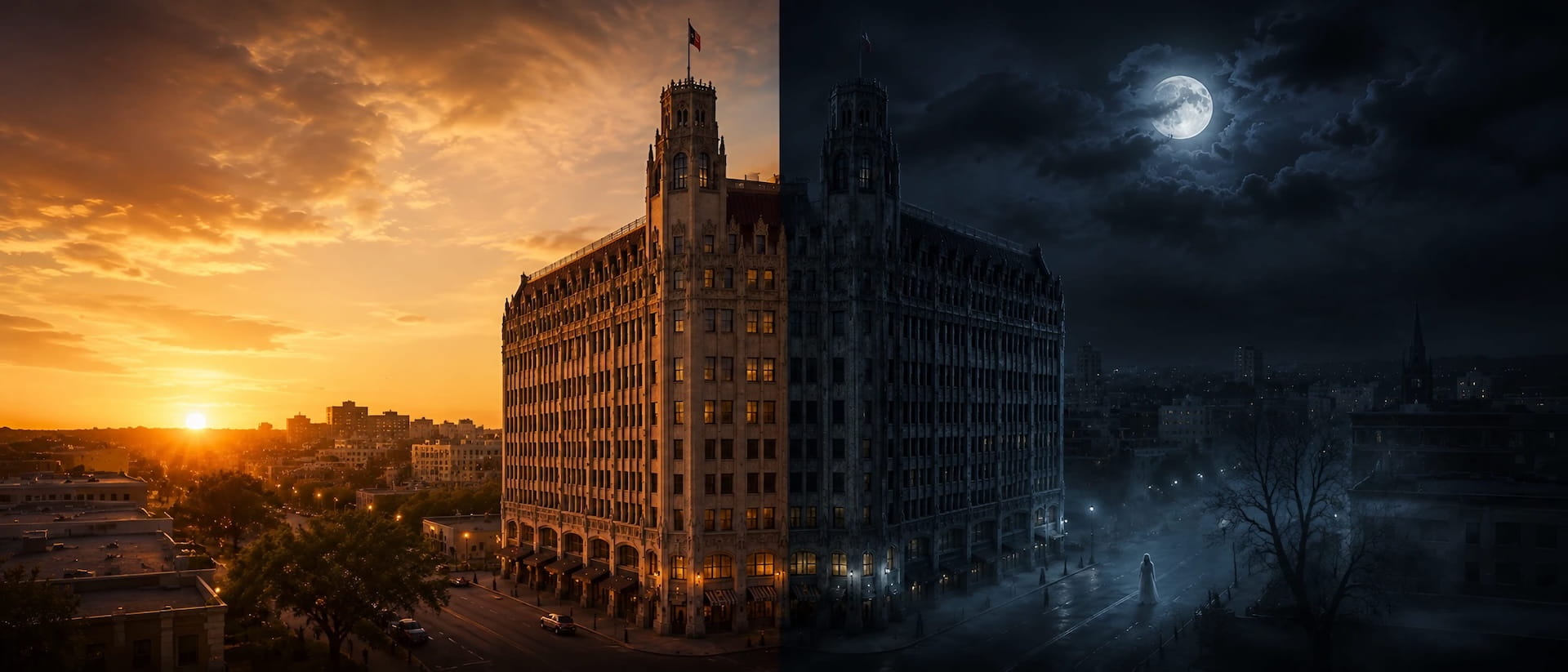
Emily Morgan Hotel
Rising directly beside the Alamo, the Emily Morgan Hotel wasn't always a place to sleep. It opened in 1924 as the Medical Arts Building, San Antonio's first skyscraper and, at the time, a fully equipped medical facility complete with its own morgue and crematorium. Look closely at the building's Gothic Revival facade and you'll spot carved gargoyles depicting toothaches, headaches, and other ailments — a macabre touch from an era when the building's purpose was healing, not hospitality.
The building operated as offices for a decade before being converted into a hotel that opened in 1984, and it's carried a reputation as one of the most haunted hotels in the country ever since. The twelfth, fourteenth, and seventh floors are most frequently cited by guests and staff, where old surgical and mortuary spaces once stood. Reported phenomena lean clinical rather than theatrical: the sound of gurneys being wheeled down empty hallways late at night, pillows found on the floor of freshly made beds, and elevators that stop on unrequested floors — sometimes carrying guests down to the basement instead of up to their room. The hotel takes its name from Emily D. West, remembered in Texas folklore for her role at the Battle of San Jacinto.
Featured on Haunted Pub Crawl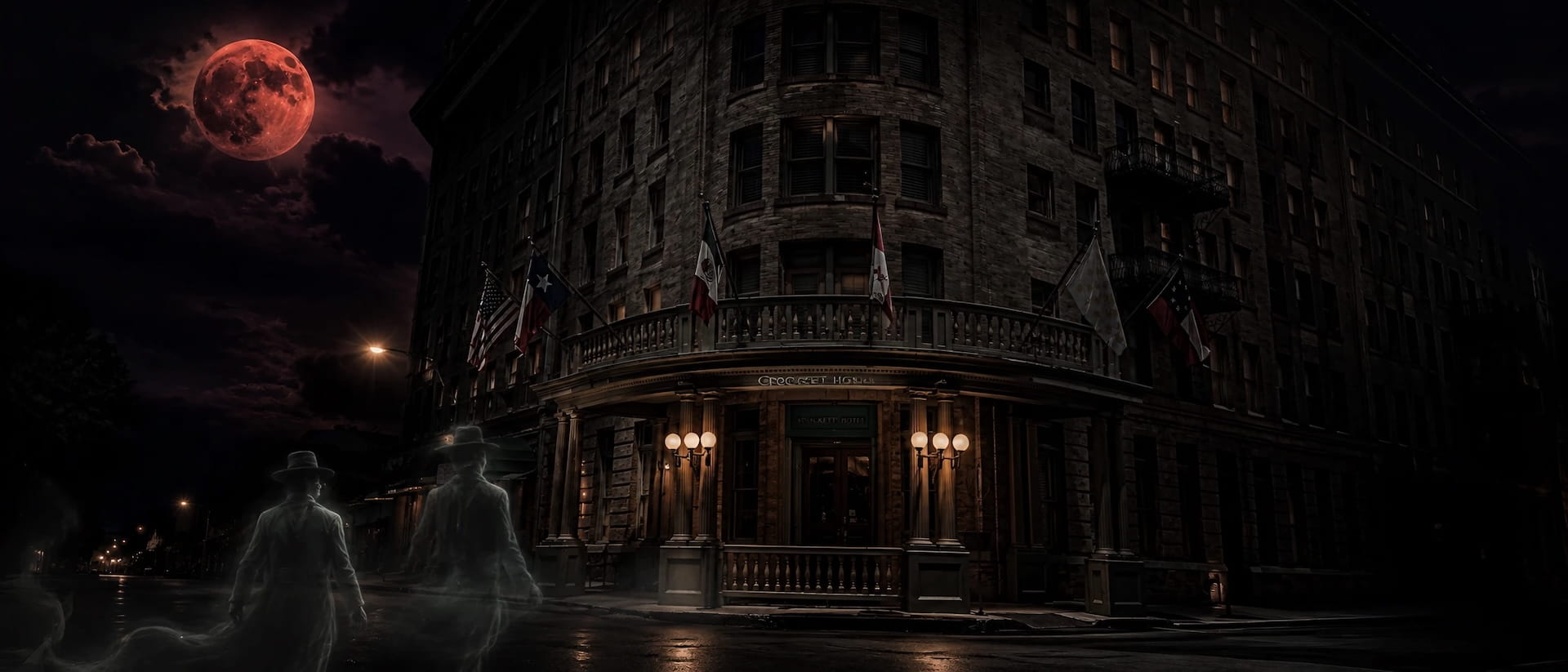
Crockett Hotel
The Crockett Hotel takes its name from Davy Crockett, and its location is no coincidence: the six-story hotel, built in 1909 by a fraternal lodge, sits on what was the Alamo's southeast palisade — the same ground where Crockett and the last defenders were believed to have made their final stand on March 6, 1836. A seven-story west wing was added in 1927, and the building has since been renovated twice, most recently in 2007, while remaining on the National Register of Historic Structures.
Given its location, it's little surprise the Crockett Hotel is considered one of the most consistently haunted buildings in downtown San Antonio. Guests and staff describe uniformed apparitions believed to be Alamo defenders wandering the halls, along with the sound of marching, chanting, and horses' hooves with no visible source. The lobby's front door is known to swing open and shut on its own, and a man in a dark blue jacket has been spotted so often that staff have their own name for him. The elevators have their own local nickname too — the "haunted elevators" — for their habit of opening on floors nobody requested and skipping the ones guests actually pressed.
Featured on Haunted Pub Crawl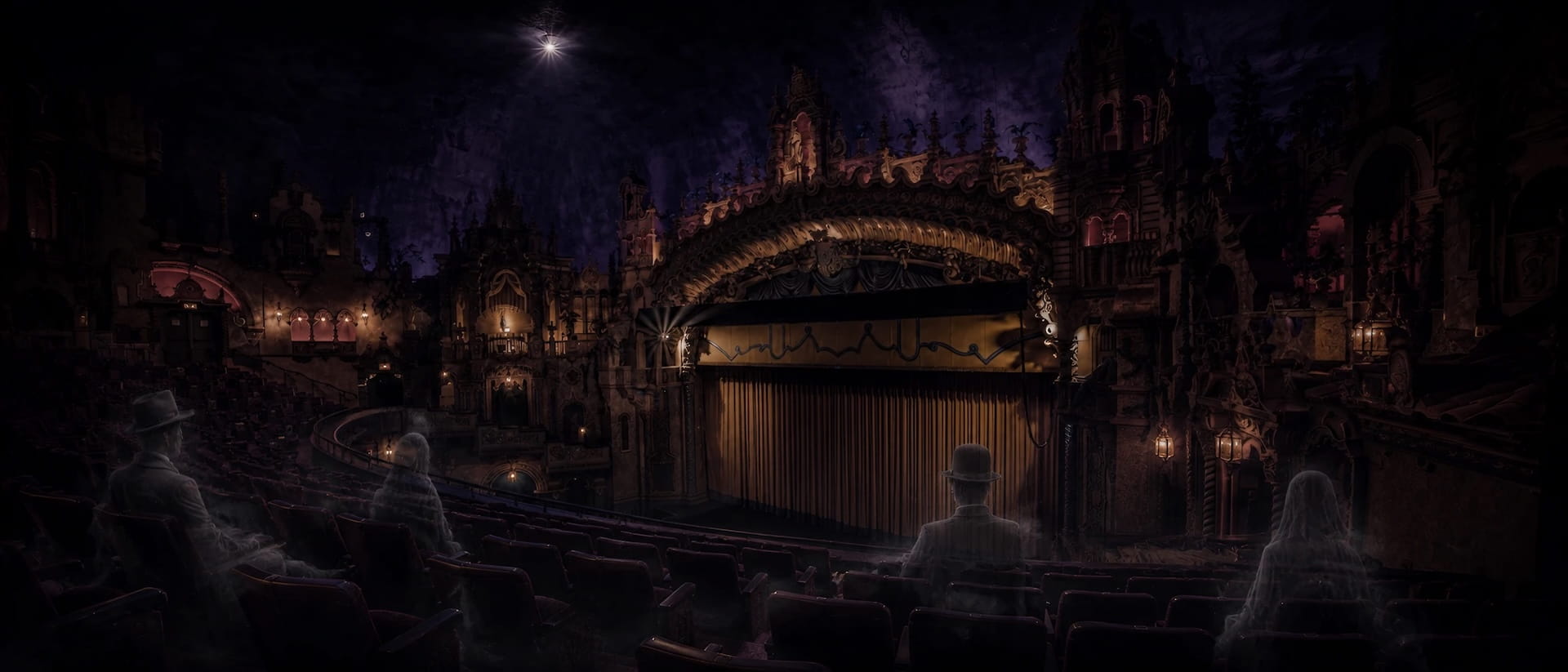
Majestic Theatre
When the Majestic Theatre opened in 1929, it was the largest and most extravagant theater in Texas — a $3 million commission from architect John Eberson, and the first fully air-conditioned theater in the state. Its atmospheric interior, designed to feel like an open-air Spanish courtyard under a painted night sky, still draws audiences into Broadway tours and concerts nearly a century later.
Longtime staff say the building never quite emptied out. The most frequently mentioned resident spirit is Zoroastro, an illusionist who once performed on the Majestic's stage and is said to still appear there, mid-act, when the house is otherwise dark. Ushers and performers describe whispers moving through the auditorium after closing, even with the doors locked, and a recurring apparition of a female patron who always occupies the same box seat on the second level. Shadowy figures have also been reported drifting near the theater's grand staircase. A more somber story is tied to the apartments above the theater, where a woman fell fourteen stories to her death in 2004 — officially ruled an accident, though rumors of foul play have never fully faded, and some say her presence still lingers near the building's upper floors.
Featured on Haunted Pub Crawl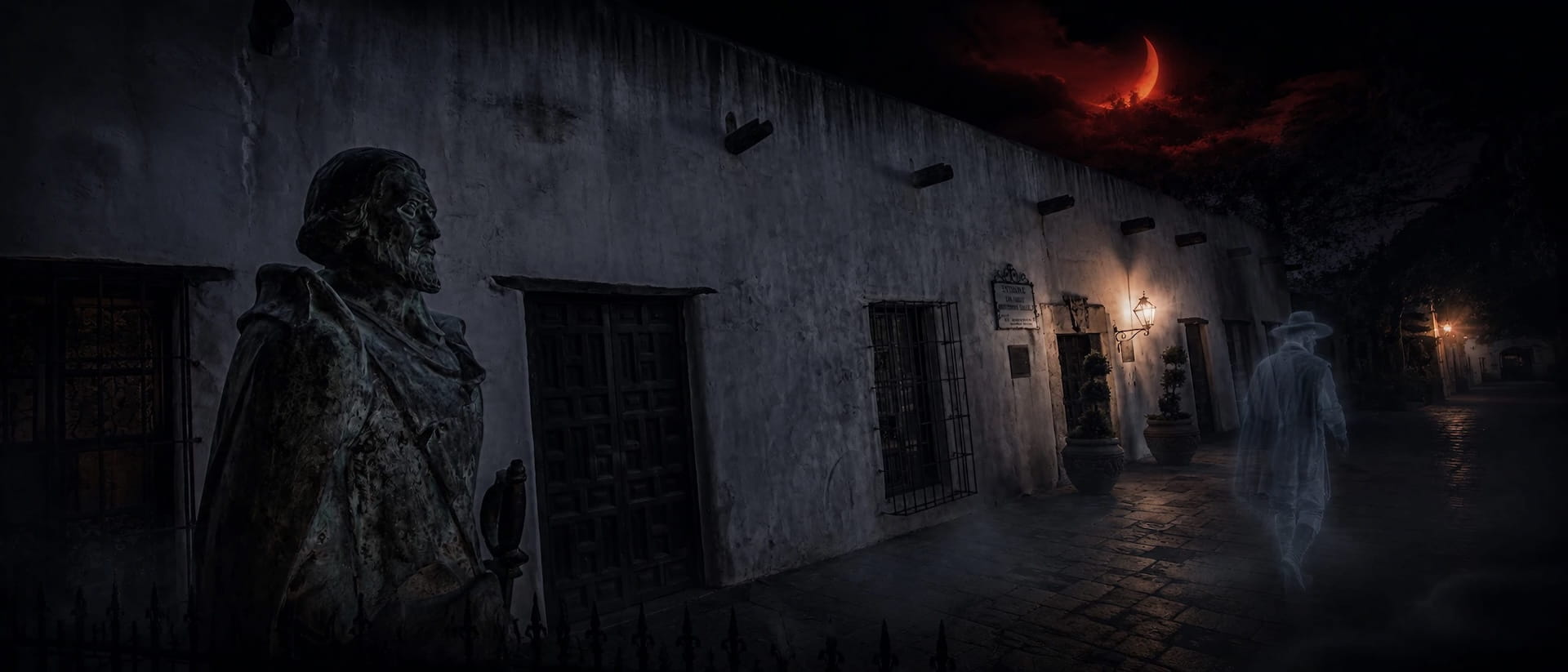
Spanish Governor's Palace
Built around 1722, the Spanish Governor's Palace is the last intact trace of the Presidio San Antonio de Béxar, the fortified compound that once anchored Spanish colonial rule in the region. It's the only surviving example in Texas of an aristocratic, in-town Spanish colonial residence, and its rose-stone facade and shaded courtyard once led National Geographic to call it the most beautiful building in San Antonio. The building earned National Historic Landmark status in 1970.
Three centuries of colonial authority left more than architecture behind. The most frequently told legend involves a "hanging tree" once used for the harsh, often summary justice of the Spanish colonial period — a grim history locals say still lingers in the courtyard. Visitors and staff have also reported a woman in white seen on the balcony overlooking the courtyard, and the sound of children's laughter echoing through the grounds even when the gates are locked and no one else is on the property. A paranormal investigation conducted at the site recorded EVP responses to direct questions and captured unexplained orb-like anomalies in photographs, adding to a reputation that has followed the palace for generations.
San Fernando Cathedral
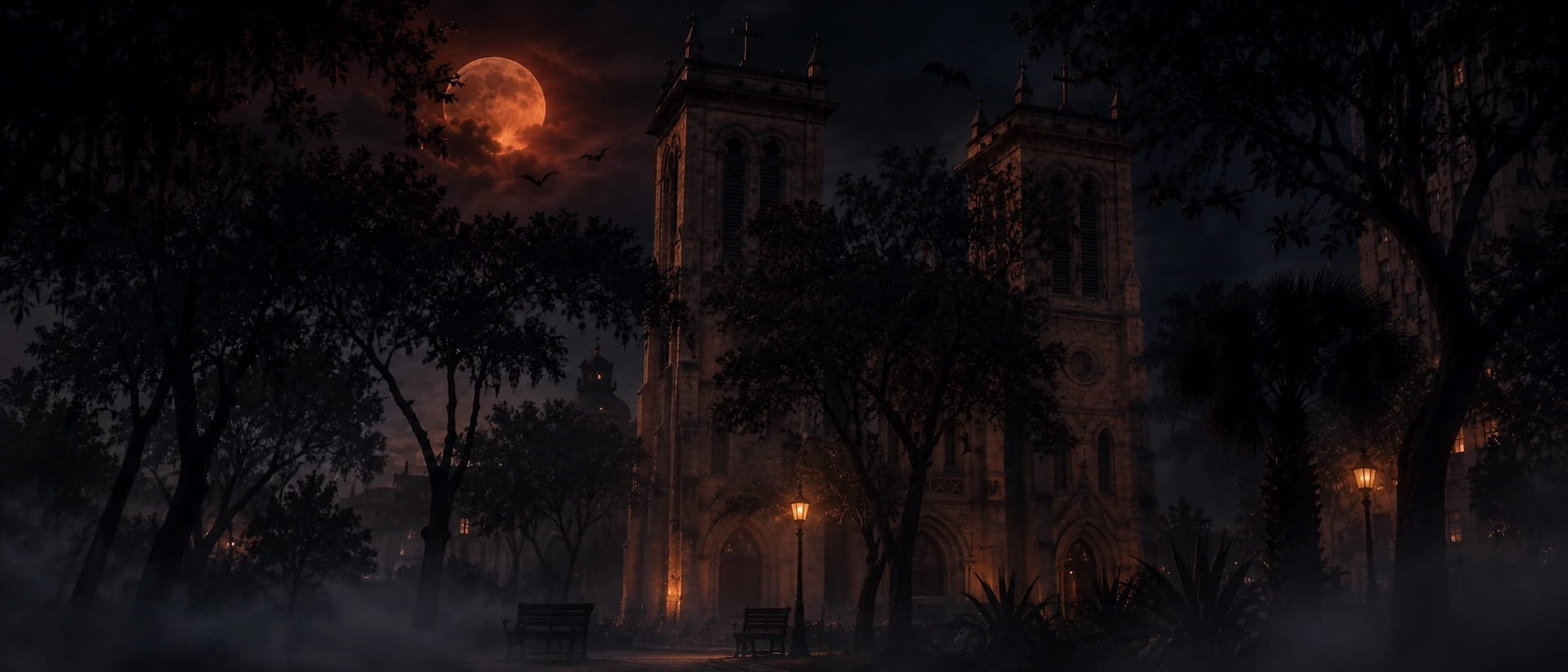
San Fernando Cathedral traces its origins to 1731, when a group of Canary Island settlers arrived to found a parish in the young colonial town — making it the oldest church building still in continuous use in Texas. Over the centuries it has hosted a peace treaty between Spanish authorities and the Apache, the wedding of Alamo defender James Bowie, and, according to local tradition, the spot where Santa Anna raised a flag of no quarter before the final assault on the Alamo.
Much of the cathedral's haunted reputation traces to burial customs from its earliest days, when parishioners and priests were sometimes interred within the church's own walls. Visitors report shadowy, hooded figures moving along the interior, and some describe seeing skull-like forms briefly appear against the stone. Outside, witnesses have described a white stallion galloping past the cathedral steps late at night, tied by local legend to an Apache leader killed near the site generations ago. During restoration work in the 1930s, workers reportedly uncovered bones and tattered military uniforms believed to belong to Alamo defenders — a discovery that only deepened the cathedral's reputation as one of the most haunted religious sites in the country.
Victoria's Black Swan Inn
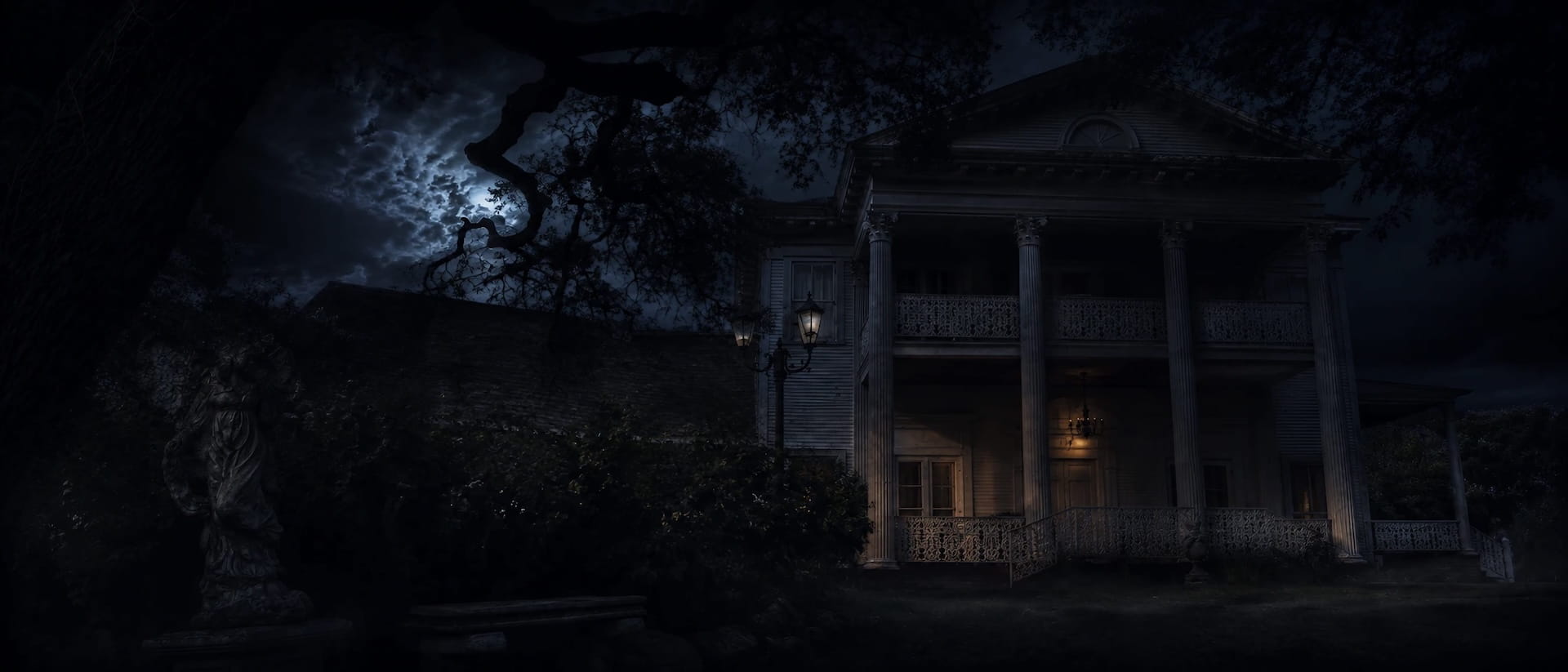
Long before Victoria's Black Swan Inn existed, the ground it sits on had already seen thousands of years of history. Native American encampments occupied the site as far back as 5000 B.C., and in 1842 it was the scene of the Battle of Salado Creek, a clash between Texan and Mexican forces during the Mexican army's last major incursion into Texas. German immigrant Heinrich Mahler later ran a dairy farm on the land, and in 1867 the elegant two-story Greek Revival home that stands today was built on a grassy rise above Salado Creek.
That layered, often violent history is central to the inn's reputation as one of the most haunted properties in Texas. Visitors near the creek have reported Native American apparitions, sometimes accompanied by faint drumming or the smell of woodsmoke. Others describe spectral soldiers in Texan and Mexican uniforms still seemingly locked in the 1842 battle, along with the sound of a distant bugle call, and a lone Confederate-era soldier said to linger near the property's gazebo. Inside the house, guests and staff report cold spots, unexplained music, dolls that move on their own between visits, and doors that open and close without anyone nearby — a haunting reputation built over more than 150 years.
Old Bexar County Jail
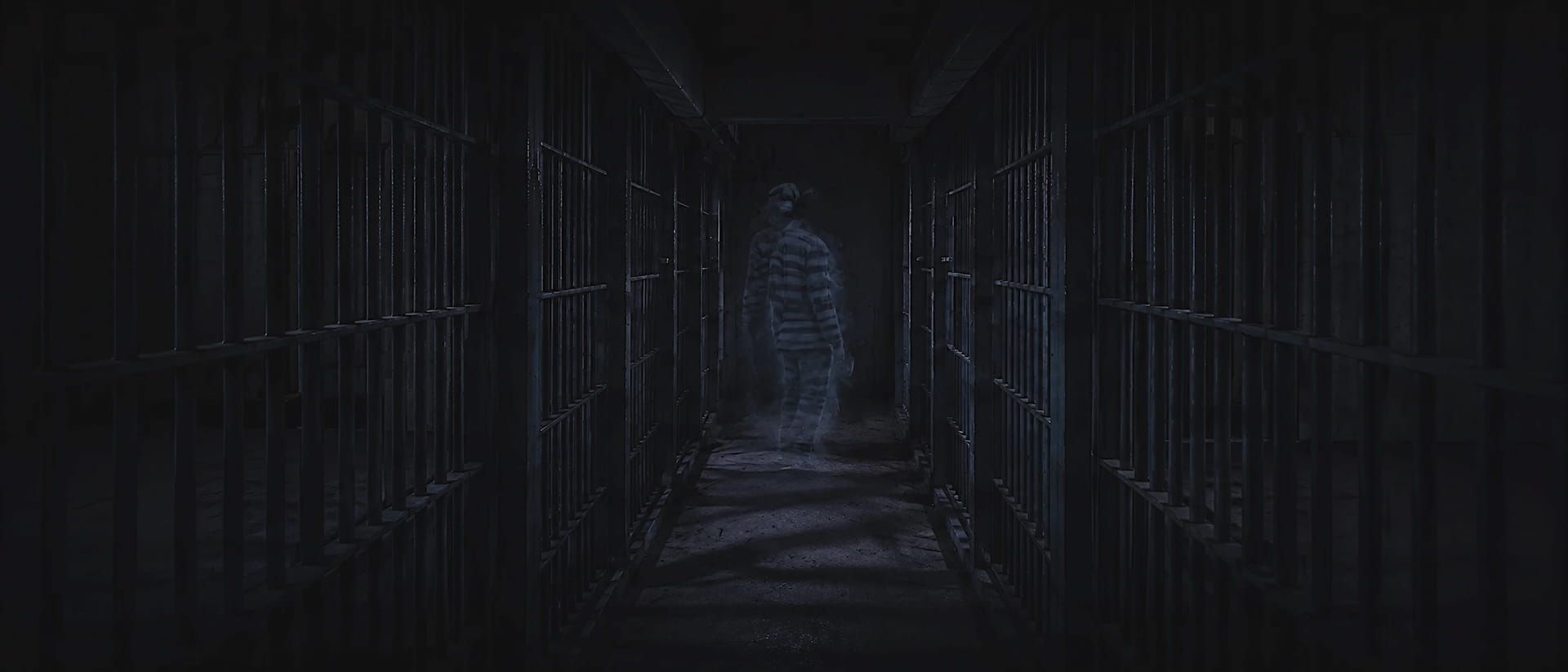
Built in 1878 from the same native Texas limestone used at the Alamo and the nearby Spanish missions, the old Bexar County Jail served as the county's primary detention facility until 1962. As overcrowding grew and zoning rules blocked the building from expanding outward, the architect designed the only solution available: an indoor gallows on the third floor, complete with a trap door that dropped condemned prisoners down through the ceiling of the floor below.
The jail's last hanging took place in 1921, the execution of a man convicted of murdering fourteen-year-old Theodore Bernhard — an execution reportedly so botched that the prisoner was nearly decapitated. The building later closed as a jail and was eventually converted into a hotel, now operating as a Holiday Inn Express a few blocks from the River Walk. Guests checking in for the night don't always realize what the building used to be, but staff and visitors have long reported apparitions seen falling through the ceiling in rooms that once sat directly beneath the old gallows floor — an unsettling echo of the executions that took place there for more than four decades.
King William Historic District
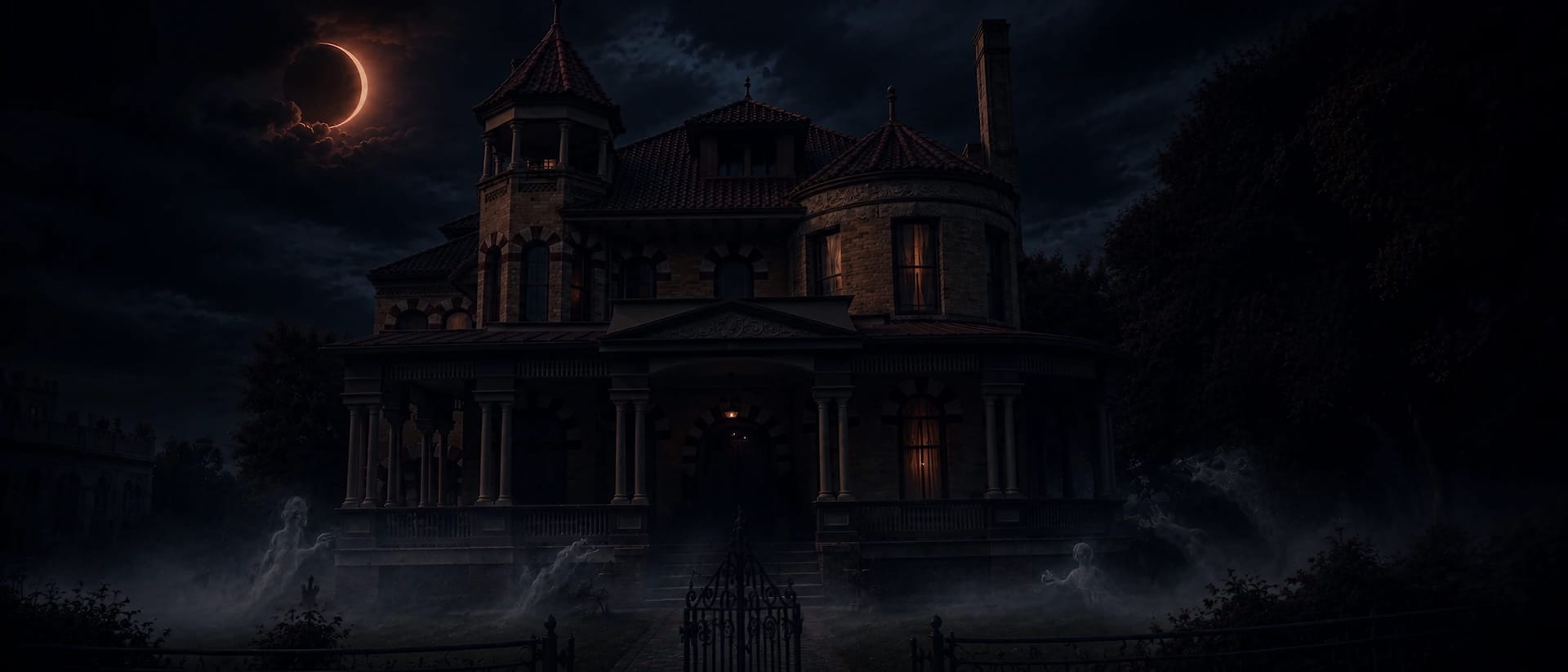
South of downtown, the King William Historic District holds the distinction of being the oldest historic district in Texas, designated in 1972. The neighborhood was settled starting in the 1840s by wealthy German immigrants, who built a striking collection of Greek Revival, Italianate, and Victorian mansions along streets that still carry their original German names. For decades it was one of San Antonio's most prestigious addresses.
That changed with the anti-German sentiment of the First and Second World Wars, when many families left the neighborhood and grand homes sat empty for years at a stretch. The combination of decaying Victorian architecture and abandoned mansions gave King William its lasting haunted reputation, one that a 1950s revitalization movement never quite erased. Several of the district's historic homes carry their own local ghost stories, including two former masonic lodges and the Anton Wulff House, built in 1869 and reputed to be haunted enough that it was once used as a haunted-house attraction in the 1970s. Residents and visitors describe phantom piano music drifting from empty rooms, doors that open and close on their own, and the general sense — hard to shake while walking the district at dusk — of being watched from an upstairs window.
St. Mary's Street
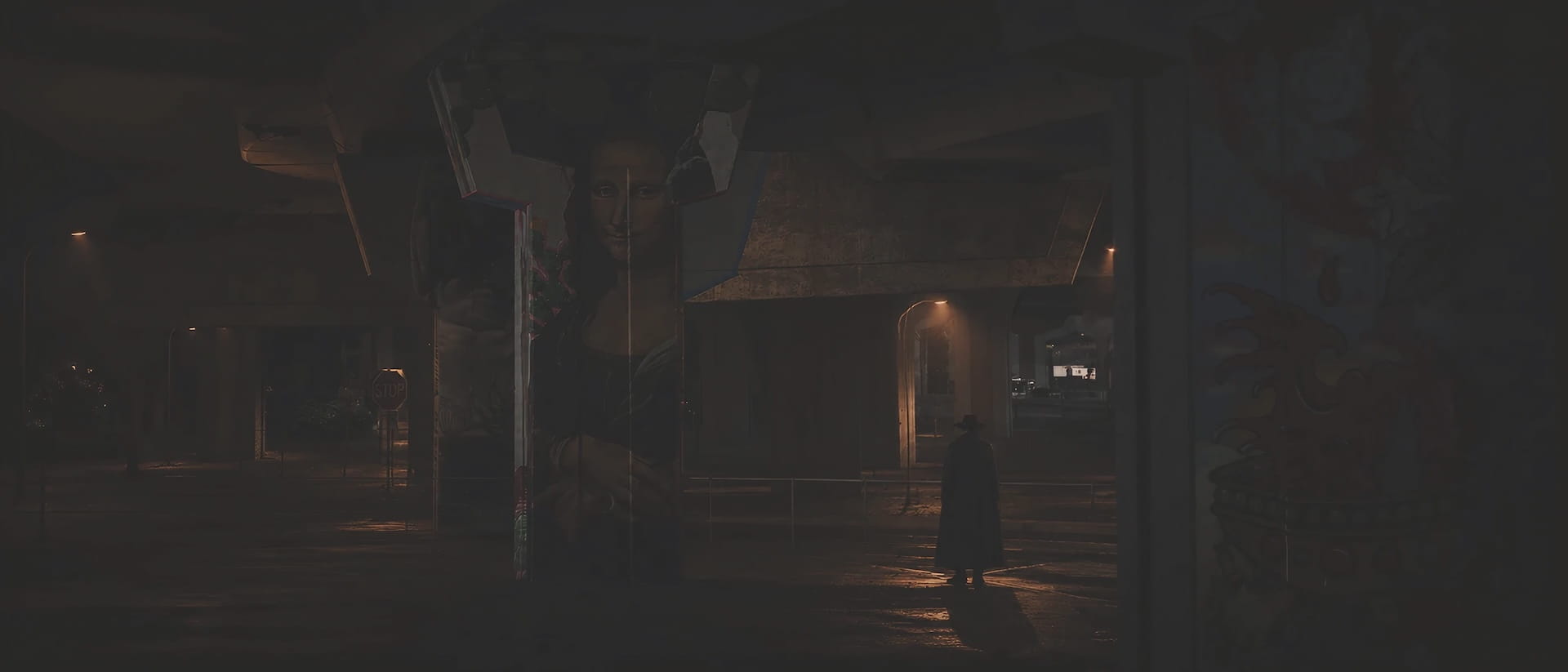
North of downtown, the stretch of North St. Mary's Street between Mistletoe Avenue and Grayson Street became known simply as "the Strip" — San Antonio's first real entertainment corridor, and for decades the local answer to Austin's Sixth Street. Beginning in the 1980s, a rotating cast of dive bars, punk and metal venues, and late-night taco spots turned the Strip into the beating heart of San Antonio's underground music scene, drawing bands and characters that became local legends in their own right.
Many of those original venues are long gone, replaced or redeveloped as the surrounding Pearl District has grown, but locals still swap stories about the ghosts the old bars left behind — half nostalgia for a scene that no longer exists, half genuine unease about certain buildings that never quite lost their reputation. Bartenders and regulars describe cold spots near old stage areas, equipment that switches on by itself after closing, and the sense of being watched in back rooms that once served as green rooms for touring bands. It's a different kind of haunted history than downtown's colonial ghosts — younger, louder, and tied to the Strip's own turbulent, hard-living past.
River Walk After Dark
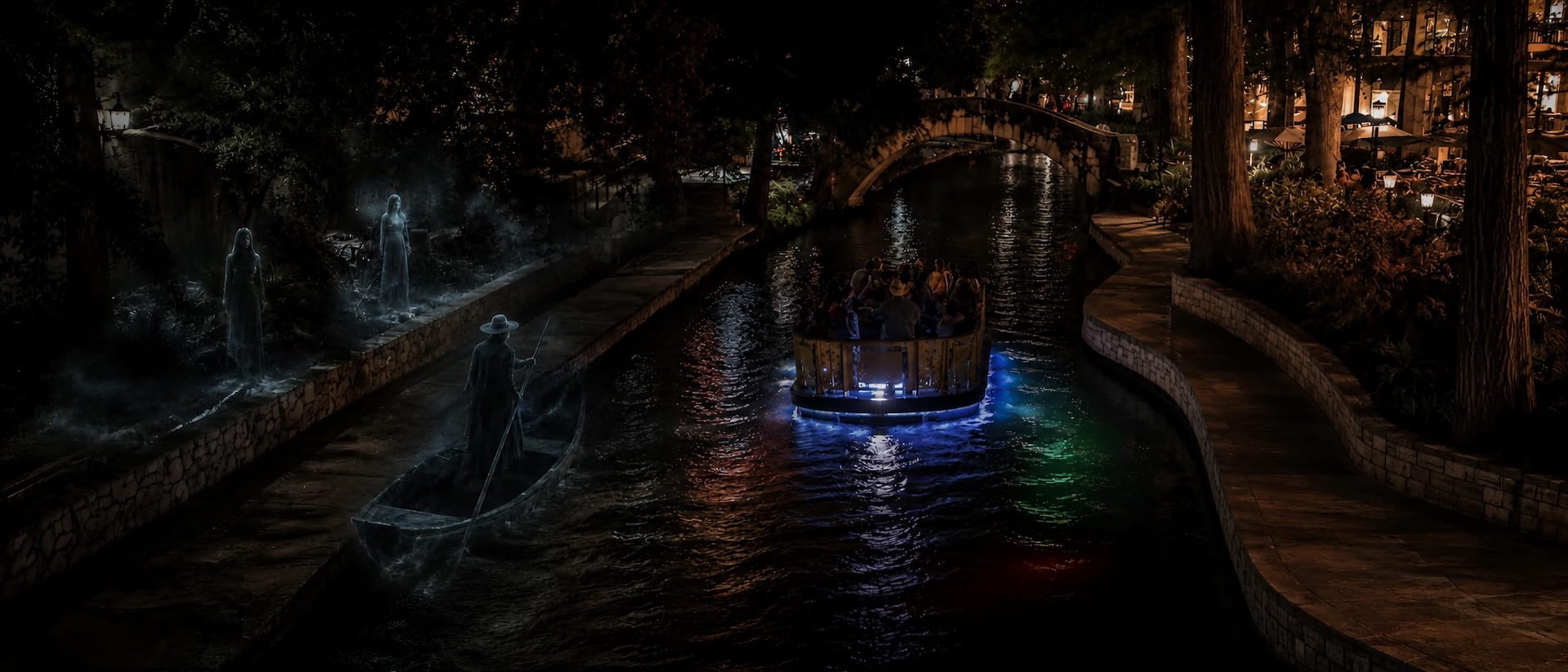
By day, the San Antonio River Walk is one of the most photographed stretches of water in Texas — a landscaped, cypress-lined channel lined with restaurants, hotels, and river barges. After sunset, the crowds thin, the string lights take over from the sun, and the same paths take on a very different character. It's no accident that so many of the city's ghost stories eventually lead back to the river.
Local legend places sightings of La Llorona, the Weeping Woman of Hispanic folklore, along waterways throughout the region, including stretches of the San Antonio River near the southern missions. According to the story, she drowned her own children in a moment of grief or rage and has been searching for them near the water ever since, her cries said to carry along the river at night. Some who study the city's paranormal history believe the moving water itself acts as a kind of conductor, amplifying the psychic residue of three centuries of conflict that played out on its banks. Whether or not you believe that, walking the River Walk after dark — past shuttered shops, quiet stone bridges, and water that reflects almost no light — makes it easy to understand why the stories persist.
Featured on Ghost City Tour